Pumpkin Jam
A sweet and fragrant pumpkin jam, inspired by Eritrean culinary uses of pumpkin. This modern adaptation offers a sweet and slightly tangy touch, perfect to accompany your meals or gourmet breaks.
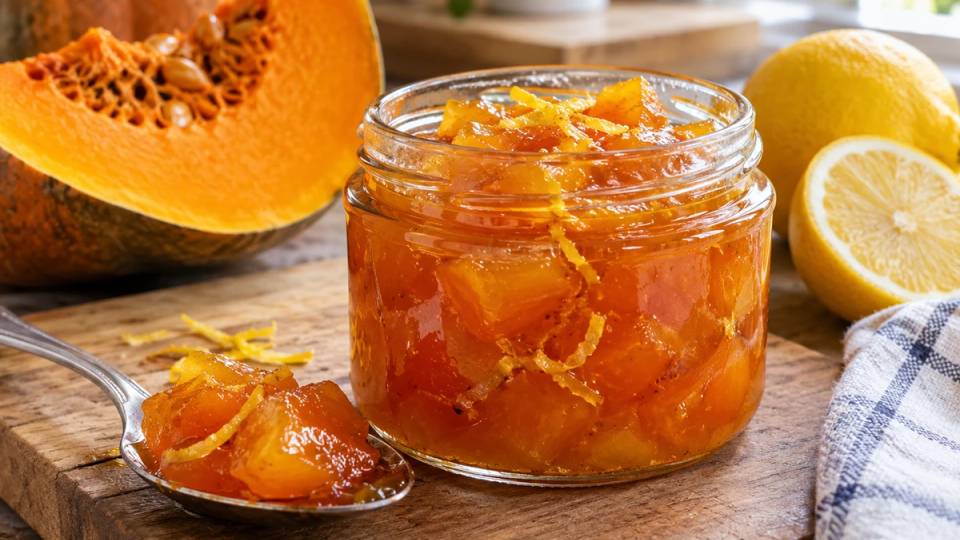
Ingredients
- 600 g pumpkin (butternut or kabocha type), peeled and cut into small cubes
- 300 g granulated sugar
- 1 lemon (juice and finely grated zest)
- 1 cinnamon stick (optional)
- 200 ml water
Preparation
Pumpkin preparation: Wash, peel, and deseed the pumpkin. Cut the flesh into small cubes of about 1 to 1.5 cm. The smaller the cubes, the faster the cooking and the more homogeneous the texture. 🔪
Maceration: In a large bowl, mix the pumpkin cubes with sugar and lemon zest. Let macerate in the refrigerator for at least 2 hours, ideally overnight. This step allows the pumpkin to release its juice. ⏳
Start cooking: Transfer the pumpkin mixture and its juice to a large, heavy-bottomed saucepan. Add the lemon juice, water, and cinnamon stick if using. 🔥
Slow cooking: Bring the mixture to a boil over medium heat, then reduce the heat and let it simmer gently. Stir regularly to prevent sticking to the bottom. Cooking should be done at a gentle simmer. 🍲
Check texture: Cook for about 45 to 60 minutes, or until the pumpkin cubes are very tender and translucent. The jam should thicken and take on a syrupy consistency. The pumpkin pieces should mash easily with a fork. ✨
Plate test: To check for doneness, place a small spoonful of jam on a cold plate. If it sets and doesn't run, it's ready. Remove the cinnamon stick at this stage. 🥄
Jarring: Sterilize glass jars and their lids. Pour the hot jam into the jars with a ladle, leaving a small space below the rim. 🏺
Close the clean jars then let them cool briefly before refrigerating, without leaving them on the countertop for more than 2 hours. This low-sugar preparation is not a preserve to be kept in the cupboard: consume it within 5 days in the refrigerator or freeze it in small portions.
Introduction
Pumpkin, a versatile and nutritious vegetable, holds a notable place in Eritrean agriculture. Although the pumpkin jam as presented here is not a traditionally attested recipe, it is part of an approach to adapt local uses of this vegetable. In Eritrea, pumpkin is often consumed in various forms, particularly in savory dishes or as a base ingredient for purees and soups. The idea of transforming it into jam emerges from a desire to explore new ways to enhance this abundant product, drawing inspiration from preservation and sweet preparation techniques present in other cultures.
This adaptation aims to create a sweet condiment that could complement the Eritrean table, often rich in savory and spicy flavors. The addition of sugar and lemon transforms the pumpkin into a smooth and shiny preparation, while cinnamon, a spice appreciated in the region, brings a warm aromatic dimension. The manufacturing process is simple but requires patience to allow the flavors to fully develop and the texture to become perfect. It is an innovative way to enjoy the benefits of pumpkin, transforming it into a sweet treat that can be enjoyed for breakfast, snack, or as an accompaniment to certain dishes. This recipe is an invitation to culinary creativity, while respecting the spirit of valuing local products that characterizes Eritrean cuisine.
Cultural context
Eritrea, with its varied climate, cultivates various species of pumpkins, which are integrated into the daily diet. Reports on Eritrean agriculture mention the importance of pumpkin as a food crop, often used in stews or simmered dishes. However, it is important to note that pumpkin jam is not a documented traditional Eritrean recipe. This preparation is a modern adaptation, inspired by the availability of pumpkin and the desire to explore sweet applications, in the manner of marmalades or compotes found in other regions. The use of sugar and spices like cinnamon is common in Eritrean cuisine for other preparations, but their specific combination with pumpkin in a jam is an innovation here. It is therefore a culinary proposal that relies on local ingredients but does not claim a direct historical lineage with an Eritrean pumpkin jam tradition.
Tips
Choose a ripe pumpkin for a sweeter flavor and better jam texture. 🎃
Maceration is crucial: it allows the pumpkin to release its water, thus reducing cooking time and intensifying flavors. 💧
For a smoother texture, you can mash some of the pumpkin cubes with a potato masher at the end of cooking, or lightly blend the jam. 🥣
Feel free to adjust the amount of sugar according to the natural sweetness of your pumpkin and your personal preferences. ⚖️
If you don't have cinnamon, a pinch of ground ginger or a few cloves can offer an interesting aromatic alternative. 🌶️
For longer preservation, freeze the jam in small portions once cooled. 🧊
Use a heavy-bottomed saucepan for even cooking and to prevent the jam from sticking to the bottom. 🍳
Lemon zest adds a citrus note that perfectly balances the sweetness of the pumpkin, do not omit it. 🍋
Variations
To vary the pleasures, several adaptations of this pumpkin jam are possible. For example, you could add other spices to enrich the aromatic profile: a star anise during cooking, or a hint of grated nutmeg at the end of preparation, would bring different notes. The integration of dried fruits, such as raisins or dried apricots cut into small pieces, added at the end of cooking, can provide additional texture and sweetness. For a more exotic version, a small piece of grated fresh ginger or a few crushed cardamom seeds could be incorporated. If you want a less sweet jam, you can reduce the amount of sugar and compensate by adding unsweetened apple juice to maintain consistency. Finally, for a balancing touch of bitterness, a few finely cut bitter orange zests can be added with the lemon. Each variation offers a new taste experience while retaining the pumpkin base.
Accompaniments
This pumpkin jam, with its sweet and slightly tangy notes, pairs wonderfully with a variety of dishes. It is excellent on fresh bread or traditional flatbreads like injera, offering an interesting sweet-savory contrast. It can also accompany fresh or soft cheeses, bringing a fruity and spicy touch. For desserts, it enhances plain panna cotta or Greek yogurt. On the beverage side, a sugar-free Eritrean spiced black tea (shahee), or a traditional coffee (buna) served after the meal, perfectly complement its flavors. A glass of fresh water or a light herbal infusion with local herbs would also be refreshing choices to balance the sweetness of the jam.
Nutrition notes
Pumpkin is a vegetable rich in essential nutrients. It is an excellent source of vitamins, especially vitamin A in the form of beta-carotene, which is important for vision and immune function. It also contains vitamin C, an antioxidant that contributes to cell protection, and various B vitamins. Pumpkin provides minerals such as potassium, which plays a role in blood pressure regulation, and manganese. Its dietary fiber content is beneficial for digestion and can contribute to a feeling of fullness. Although this jam contains added sugar, the pumpkin base retains some of its nutritional properties, thus offering a sweetness that is not without nutritional interest. The presence of lemon also adds a vitamin C intake. Cinnamon, if used, is known for its antioxidant properties.