Asab
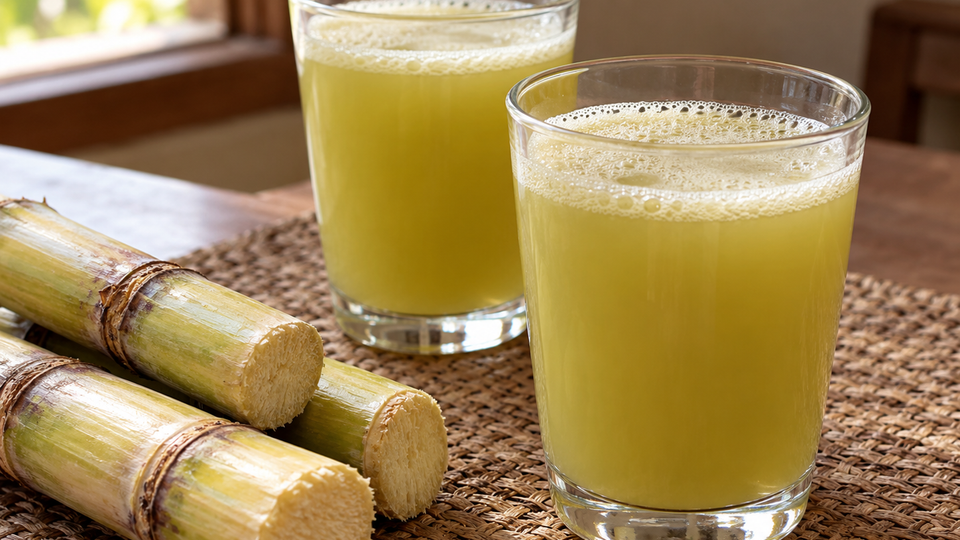
Asab is a fresh sugarcane juice, an iconic and refreshing drink from Egypt, appreciated for its natural sweetness and thirst-quenching properties.
Ingredients
- 1.5 to 2 kg Healthy food-grade sugarcane
- Sufficient quantity Drinking water (for cleaning)
- A few ice cubes Food-grade ice (optional)
Preparation
Sugarcane preparation: Start by selecting firm sugarcane stalks, free from blemishes or signs of deterioration. Rinse them thoroughly under drinking water to remove any traces of soil, dust, or impurities. Use a vegetable brush if necessary for deep cleaning. 🚿 (5 minutes)
Trimming the stalks: According to your sugarcane press instructions, trim the ends of the stalks and remove any leaves or hard parts that might hinder extraction. Cut the stalks into appropriate lengths for your machine, generally between 30 and 60 cm (12 to 24 inches), to facilitate insertion and optimize extraction. 🔪 (5-10 minutes)
Cleaning the press: Before any use, ensure your sugarcane press is perfectly clean. Strictly follow the manufacturer's instructions for cleaning and assembly. Clean equipment is essential to guarantee hygiene and juice quality. 🧼 (5 minutes)
Juice extraction: Turn on the press. Insert the sugarcane pieces one by one into the designated opening, being careful never to approach your hands to the moving rollers. Let the machine crush the cane and collect the juice in a clean, suitable container. You can pass the cane through a second time to extract the maximum amount of juice. ⚙️ (10-15 minutes)
Juice filtration: Freshly extracted juice may contain fine sugarcane particles. To obtain a clear and pleasant Asab, filter it finely using a very fine-mesh sieve or a clean cheesecloth. This step is crucial for the final texture. ✨ (2-3 minutes)
Immediate serving: Pour the Asab into small glasses. If desired, add a few ice cubes for an even more refreshing effect. Sugarcane juice is best consumed immediately after extraction to fully enjoy its freshness and flavors. 🧊 (1 minute)
Press-free alternative: If you don't own a sugarcane press, the most authentic and hygienic option is to buy freshly extracted sugarcane juice from a specialized vendor or a market renowned for its hygiene standards. Ensure the juice is pressed in front of you or kept under adequate conditions. 🛒 (Variable)
Introduction
Imagine a hot day in Egypt, the sun at its zenith, and thirst setting in. That's where Asab comes in, this freshly pressed sugarcane juice, a true oasis of freshness. Its color varies from pale green to translucent gold, depending on the sugarcane variety and degree of filtration. On the nose, it offers vegetal and slightly sweet notes, evoking fresh sap. On the palate, it's an explosion of natural sweetness, without any heaviness, with a slightly syrupy yet incredibly thirst-quenching texture. Asab is much more than just a drink; it's a sensory experience that transports you to the heart of Egyptian culture, a moment of pure, simple, and authentic pleasure. Its preparation, although requiring specific equipment, is an art in itself, guaranteeing a pure and invigorating drink, free from any additives. For those without access to a press, the alternative is to obtain this nectar from specialized vendors, guardians of tradition and hygiene.
Cultural context
Asab is an omnipresent drink in Egypt, particularly appreciated for its thirst-quenching qualities in the country's hot climate. It is commonly found at street vendors, who press sugarcane on demand, offering a fascinating spectacle and a drink of unparalleled freshness. It is a popular and accessible drink for everyone, an integral part of daily Egyptian life. Its consumption is a social gesture, a moment of pause and shared refreshment. Similar sugarcane juice-based drinks are also consumed in other regions of Africa and the world, testifying to the universal appeal of this plant. In Egypt, Asab is often consumed as is, without frills, to fully appreciate its natural and pure flavor. It is a symbol of culinary simplicity and authenticity.
Tips
Choosing the cane: Opt for heavy, firm, and bright green or yellow-green sugarcane stalks, without black spots or cracks. Fresh and healthy cane guarantees a sweeter and more flavorful juice. 🌿
Impeccable hygiene: Cleanliness is paramount. Meticulously clean the sugarcane and the press before and after each use to prevent contamination and ensure food safety. 🧼
Optimal extraction: To maximize yield, don't hesitate to pass the sugarcane pieces through the press twice. This allows for maximum juice extraction and leaves drier bagasse. ♻️
Fine filtration: Do not neglect the filtration step. Well-filtered juice is more pleasant on the palate and offers a better taste experience. Use a cheesecloth or coffee filter if your sieve is not fine enough. ✨
Serving in small glasses: Asab is very rich in natural sugar. Serving it in small glasses allows you to appreciate its sweetness without overwhelming the taste buds and to consume it fresh to the last drop. 🥂
Ideal temperature: Although ice is optional, a well-chilled Asab is incomparably more thirst-quenching. Refrigerate the juice quickly after filtration if you are not serving it immediately, but do not store it for long. ❄️
Planning
For the homemade version, the choice of cane is crucial: prefer firm, heavy, and spotless stalks. Cleaning must be meticulous to avoid any contamination. The sugarcane press must comply with safety and hygiene standards, and its regular maintenance is essential. During extraction, caution is advised: never approach hands to the moving rollers. Filtration is a key step to obtain a pleasant juice on the palate. For the purchased version, ensure the vendor adheres to high hygiene standards and that the juice is pressed on demand or kept chilled.
Serving
Serve Asab immediately after extraction or purchase, in small glasses. Adding ice cubes is optional but recommended for optimal freshness. Do not let it sit too long at room temperature. It is perfect for quenching thirst and refreshing, alone or as an accompaniment to light dishes.
Storage
Prepare the drink just before serving and enjoy it freshly made. Do not let it ferment at room temperature. Clean equipment thoroughly and use safe drinking water.
Variations
While traditional Asab is pure sugarcane juice, some regional or personal variations may exist. For example, a touch of lime or lemon juice can be added to balance the sweetness and provide a refreshing tangy note. Some also enjoy a pinch of fresh grated ginger for a spicier, more aromatic flavor. However, these additions are adaptations and are not part of the basic recipe for pure Egyptian Asab. It is important to note that adding sugar is prohibited, as sugarcane is naturally very sweet. For a lighter drink, it is possible to slightly dilute the juice with fresh water, but this will alter the authentic flavor.
Accompaniments
Asab is such a refreshing and thirst-quenching drink that it often stands alone, especially in hot weather. However, it pairs wonderfully with spicy dishes from Egyptian or other African cuisines, as its natural sweetness helps to soothe the palate. It can also be served with light pastries or fresh fruits for a balanced snack. Avoid pairing it with overly sweet dishes, as this could create an overload of sweet flavors. It is perfect as an accompaniment to a light meal or as a welcome drink.
Nutrition notes
📊 Figures are rounded estimates per serving, excluding optional bread, sauces and toppings. Products, actual serving size, retained syrup and absorbed oil affect them. Vitamin and mineral descriptions are qualitative, with no measured amounts or health promises. For asab, the indicative basis is a 150 ml glass; press yield varies.