Lamb liver skilpadjies
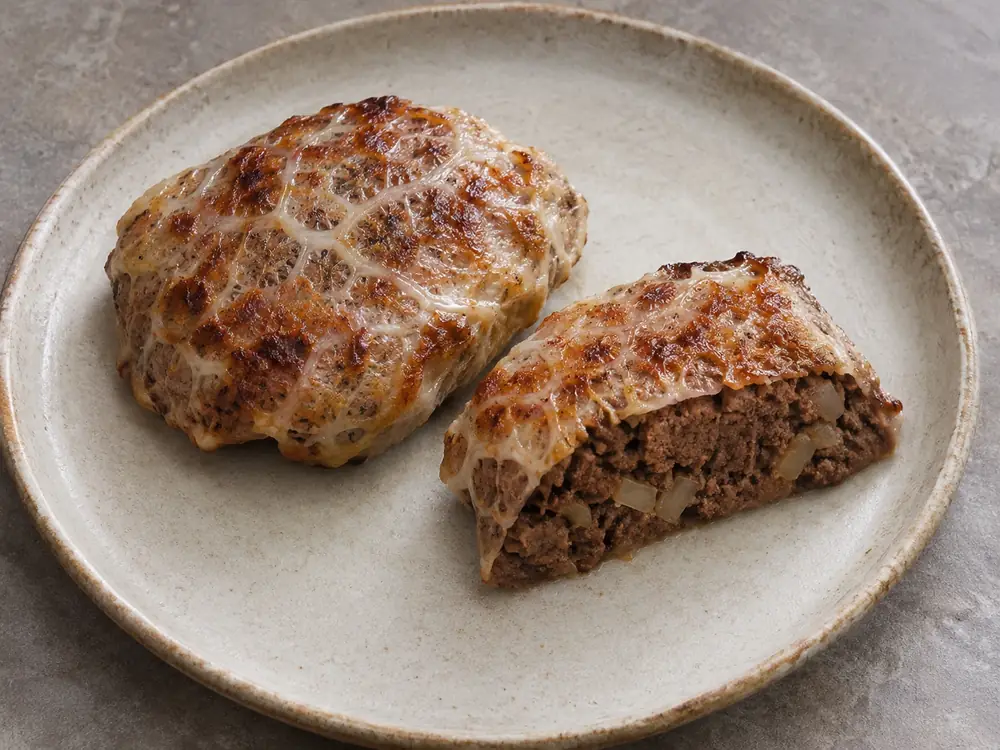
Skilpadjies belong to South Africa's repertoire of offal wrapped in caul fat. Woolworths TASTE's glossary describes sheep liver with ingredients including onion and coriander enclosed in this fatty membrane, called netvet. These proportions and pan method form a home version rather than one universal family formula.
Ingredients
- 500 g trimmed raw lamb liver
- 180 g butcher-prepared caul fat, purchase quantity from which to use a thin wrapping
- 1 onion
- 2 g ground coriander
- up to 15 ml oil
- 3 g salt
- pepper
Preparation
Method at a glance — Prepare caul fat under butcher guidance, drain and cut eight thin squares. Chop liver and onion; mix with coriander, salt and pepper. Divide into eight portions and wrap seam-side down. Pan-cook moderately in a little oil about 20–25 minutes or longer according to thickness, turning. Probe minced filling to at least 71 °C centrally. Drain briefly and serve.
Preparing liver and caul — Ask for cleaned food-grade caul and properly trimmed liver. Follow the butcher's cold-water softening advice, then drain and pat dry. Remove thick areas that would create fat clumps. Cut eight squares allowing slight overlap. The 180 g is a purchase allowance: use only a thin envelope, without automatically doubling layers. Remove tough liver membranes and large ducts. Knife-chop or pulse briefly without liquefying. Mince onion finely enough to cook alongside liver. Combine with ground coriander, pepper and measured salt. Never taste raw mixture. Check seasoning by fully cooking a small spoonful and tasting with clean utensils.
Wrapping and cooking — Divide into eight comparable portions, place centrally on caul and fold without stretching until torn. Make slightly flat packets of even thickness, seam underneath. Caul releases fat gradually; up to 15 ml oil starts cooking and may be reduced if the pan already receives sufficient fat. Use moderate heat and leave gaps. Allow the first side to set, then turn gently with a spatula. Allow approximately twenty to twenty-five minutes, adjusting to thickness. Probe from the side into the thickest filling to at least 71 °C. Crisp wrapping does not establish central cooking. Carefully remove excess pan fat if packets begin deep-frying in it.
Cooking a test portion — Fully cook a little mixture before shaping and taste salt and coriander with clean utensils. If caul has holes, choose an intact closing area rather than multiplying layers everywhere; local overlap generally suffices. Keep raw packets cold and clean boards before salad preparation. If one packet opens, cook it separately while controlling dispersed filling and serve only after complete cooking. Do not let escaped raw mixture contact finished portions. Small manageable packets are easier to turn and check than large pieces whose exterior colours well before their centres are ready.
Shaping evenly and keeping cold — Organise separate raw preparation and clean cooked-service areas. Remove meat from refrigeration only for assembly. Any previously cooked additions must lose heat before joining meat; hot filling softens mixture and complicates shaping. Cover and refrigerate if interrupted rather than leaving the bowl on a table. Work briefly with clean hands or a spatula to distribute seasoning without prolonged compacting. Divide portions before filling for equal cooking and serving. Close joins without large air pockets, but avoid kneading like dough. Thoroughly drain caul: wet membrane makes packets slippery and interferes with first-side browning.
Checking the meat centre — Use a clean probe for at least 71 °C in the thickest liver filling, not merely hot wrapping. Check more than one position if portions are irregular. Side insertion places the sensing area centrally rather than against the pan. Reduce heat if exterior colours first and continue gently, turning without tearing. Brief resting helps structure and juices settle but cannot finish inadequate cooking. Prepare accompaniments before the final stage and never return cooked meat to a raw board. Cool leftovers promptly in shallow portions, refrigerate and consume within 48 hours. Reheat only what will be eaten, completely centrally, using 74 °C as the reheating reference. Check thick packets in several areas and avoid repeated cycles.
Accompaniment and conclusion — Drain briefly on a rack and serve immediately, two per person. Tomato, cucumber and light dressing balance richness better than another creamy sauce. A braai variation still needs controlled heat and central checks, with genuinely adapted timing rather than copied pan minutes. Chopping and a thin caul envelope highlight the liver without disguising its nature. Enjoy your meal!
Introduction
Skilpadjies belong to South Africa's repertoire of offal wrapped in caul fat. Woolworths TASTE's glossary describes sheep liver with ingredients including onion and coriander enclosed in this fatty membrane, called netvet. These proportions and pan method form a home version rather than one universal family formula.
Cultural context
Eight small pieces give two per person. Their richness suits separately prepared simple mash with little butter and a lightly dressed salad. Liver remains strong-flavoured; caul supplies fat and holds chopped filling. This is neither pastry-wrapped meatballs nor poultry liver. Buy lamb liver and keep it refrigerated.
Planning
Serves 4; preparation 30 min; cooking 20–25 min.
Enjoy your meal
Enjoy your meal!