Smoked fish and braised cabbage rice
Rice with tomato, smoked fish, and braised cabbage: a detailed variation to adjust liquid, control salt, and keep grains tender.
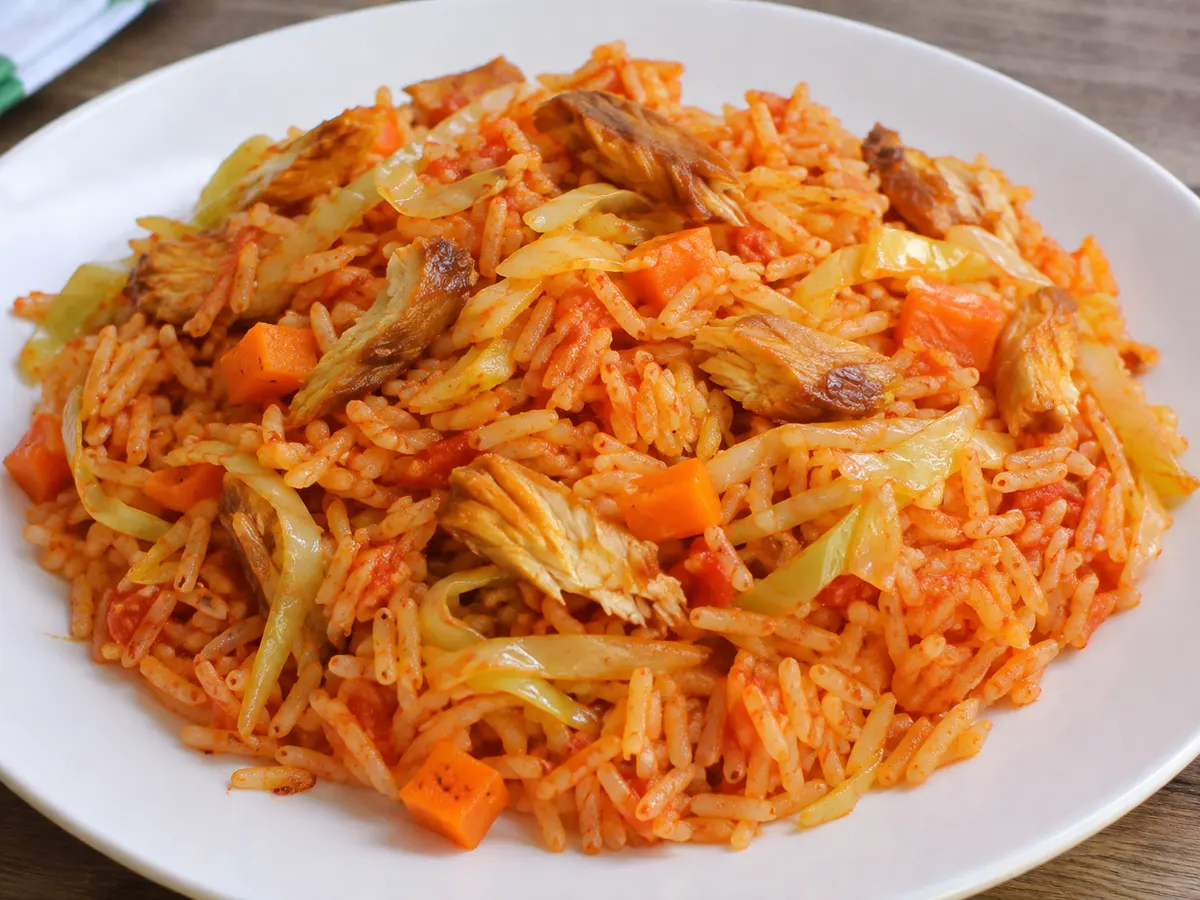
Ingredients
- 280 g long-grain rice
- 250 g smoked fish, ready to cook, skinless and boneless
- 400 g white cabbage
- 300 g tomatoes
- 1 onion
- 1 carrot
- 2 tablespoons oil
- Approximately 650 ml hot water
- 1 clove garlic
- 1 bay leaf
- 2 g salt maximum
- Black pepper to taste
Preparation
Prepare the smoked fish by removing skin and bones. Separate the flesh into medium-sized pieces and set aside in the refrigerator. Rinse the rice in a colander, then drain it. Wash the cabbage after removing damaged leaves, discard the core, and thinly slice the leaves. Peel the carrot and onion. Dice the carrot finely and chop the onion and garlic clove.
Heat the oil in a large pot. Add the onion and carrot, then sauté for five minutes over medium-low heat. Incorporate the garlic and stir for one minute. Wash and chop the tomatoes, add them with the bay leaf. Cook for about eight minutes, until the tomatoes release their juice and then begin to reduce. Stir to prevent sticking.
Add the sliced cabbage to the tomato base. Mix, pour in two or three spoonfuls of the reserved water, and partially cover. Let braise for eight to ten minutes, stirring once or twice. The leaves should lose their rigidity and volume, without becoming a puree. This step prevents the rice from having to endure overly long cooking to finish the cabbage.
Pour the drained rice into the pot and gently mix with the vegetables. Add about five hundred milliliters of hot water, then the smoked fish and black pepper. Bring to a simmer. Taste the liquid before adding salt: the fish may already provide enough. Cover and lower the heat to a gentle simmer, suitable for the duration indicated on the rice package.
After about fifteen minutes, quickly check the bottom and a grain of rice. If the liquid is absorbed but the grain remains firm, add a little hot water around the edges and continue cooking, covered. Avoid continuous stirring, which would break the grains. The fish must be thoroughly heated and the vegetables tender. Also, respect any specific cooking instructions on the smoked product.
When the rice is cooked, turn off the heat and let rest for five minutes, covered. Remove the bay leaf. Gently lift the preparation with a fork or a large spatula to distribute the vegetables and fish pieces. Serve immediately in four plates, ensuring the fish is not concentrated on the surface. Keep extra salt at a distance until the final seasoning has been tasted.
Introduction
Smoked fish can flavor an entire pot without being used in very large quantities. In this version, it accompanies rice, braised cabbage, and a tomato base. Some of the flesh breaks down slightly to distribute its flavor, while larger pieces remain visible on the plates. The cabbage is first softened with aromatics; the rice then joins an already cooked base. This progression allows for controlling the water and avoiding firm leaves in the middle of overly tender grains.
This preparation is a contemporary variation on rice and smoked fish found in various West African repertoires. It does not bear the name of a traditional dish it claims to reproduce. The smoked product must be food-grade, purchased from a reliable supplier, and stored according to their instructions. The degree of drying, smoking, and salting strongly influences the result. The recipe does not assume that all smoked fish is ready to eat without cooking; it is thoroughly heated in the dish.
Cultural context
A contemporary variation on products from the West African repertoire, proposed for this volume dedicated to Côte d’Ivoire. No exclusive regional origin or particular tradition is attributed to this formulation.
Institutional references FAO INFOODS: https://www.fao.org/infoods/infoods/tables-and-databases/faoinfoods-databases/en/ — Food composition benchmarks; no nutritional calculation for this formulation is announced. World Health Organization: https://www.who.int/teams/nutrition-and-food-safety/multisectoral-actions-in-food-systems/five-keys-to-safer-food-poster — General principles of cleanliness, food separation, cooking, and temperature control. FoodSafety.gov: https://www.foodsafety.gov/food-safety-charts/safe-minimum-internal-temperatures — Institutional cooking temperature benchmarks; durations should be adjusted to the product and equipment.
Tips
A very strong smoky taste can be balanced by more cabbage served separately, but do not try to mask it with a large amount of salt or spices. For the next preparation, choose a less intensely smoked fish or reduce its proportion by adjusting the rest of the meal. The aromatic strength of a product is not always proportional to its weight.
If the bottom of the pot begins to stick, remove from heat and gently transfer the unburnt portion to a clean container. Do not scrape blackened areas to mix them with the rice. Add a small volume of hot water to the new pot if the grains are still firm, then finish gently. Too strong a heat diffusion can dry the bottom before the top is ready.
Cooked rice requires rapid cooling when not consumed immediately. Distribute leftovers into shallow containers, place them in the refrigerator within two hours, and preferably consume within twenty-four hours. Reheat only once until thoroughly hot. The smoking of the fish does not make the dish stable at room temperature and does not exempt you from observing these precautions.
The bay leaf flavors the liquid but is not consumed. Remove it before serving portions, especially if you have mixed gently and it remains hidden between the cabbage leaves. Also, check that the fish preparation has left no hard skin fragments in the garnish.
Planning
The weight indicated corresponds to the flesh without skin and bones. This preparation takes time: small bones can remain hidden between the fibers and must be removed before mixing with the rice. If the product requires rehydration or special preparation, follow the seller's or manufacturer's instructions and add this time to your meal planning. Fish with an abnormal smell or appearance cannot be salvaged by prolonged cooking.
Long-grain rice is rinsed and drained before use. The amount of liquid may vary depending on the brand, the width of the pot, and the moisture content of the cabbage. Keep some hot water in reserve. The cabbage should be cut into fairly thin strips, and the carrot into small dice. A thick-bottomed pot and a well-fitting lid facilitate even cooking over low heat.
Nutrition notes
Rice primarily provides carbohydrates, and fish contributes to protein intake. Cabbage, tomato, and carrot diversify the vegetables. The salt content particularly depends on the smoked fish; this is why seasoning is adjusted after tasting the cooking liquid. No precise caloric value is announced without knowing the product and the portions consumed. Institutional references on food composition can guide a subsequent calculation, without certifying this formulation. Enjoy your meal: serve tender rice, well-distributed vegetables, and fish pieces carefully deboned.
Conclusion
Serve at the indicated texture and adjust seasoning after tasting the cooked food.
Enjoy your meal
Enjoy your meal!